3rd November 2026 By Contributor
Former Tourism New Zealand and Qualmark specialist Diane Clayton reflects on a year working with Timor-Leste’s nascent tourism sector and what the resilience, resourcefulness and hospitality of operators there taught her.
Back in July 2025, when I told my colleagues I was going to East Timor for a year, I got some interesting reactions. “Ah, Istanbul, amazing!” (I guess the French accent didn’t help!). Others would ask with a worried look, “but isn’t it unsafe? Isn’t there a war there?”
Google search results didn’t help either, with headlines like “Timor-Leste, the country even less visited than North Korea”. However, after years of working for well-known destinations such as Tahiti, Fiji and New Zealand, it was time to go off the beaten track for a while.
So in August last year, and after a one-hour flight from Darwin, we finally landed in Dili, the capital of this island nation. I was sent there for one year by Volunteer Service Abroad, in partnership with the Ministry of Foreign Affairs and Trade, to work as an ecotourism advisor. It is quite inspiring to remember that VSA’s founding member was the one and only Sir Edmund Hillary, who, based on his own experience of volunteering in Nepal, decided to share this valuable way of co-operating with other countries.
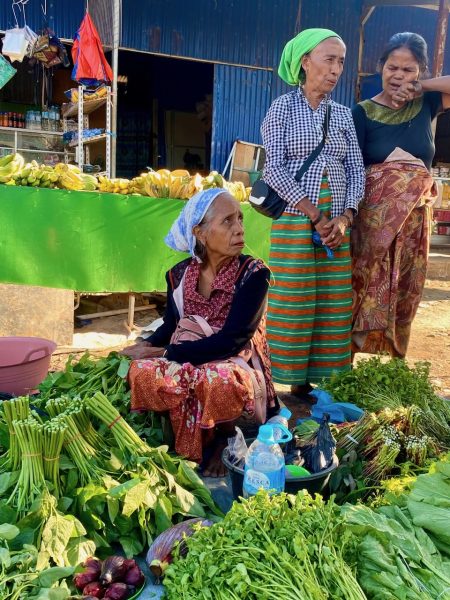
And fair to say, I did feel a bit like conquering Mt Everest when I first arrived, with no clear vision of tourism there and only knowing that Timor-Leste received approximately 26,900 international visitors (mainly business trips) in 2024, compared to the six million visitors in Bali, only two hours away from Dili. My understanding of what an “emerging destination” means was going to reach a whole new level.
After the first three months engaging and travelling with the local tourism industry, I quickly concluded that the “emerging” concept applies more to the current state of tourism in Timor-Leste than to the destination itself, and this is an important distinction, for good reasons.
Timor-Leste gained its independence in 2002 after a brutal struggle with Indonesia. Back then, the Timorese couldn’t really think about how to develop tourism when they had just won their most important battle: freedom and independence. Given that historical context, it is quite admirable to realise how much has been developed so far.
Today, tourism is prioritised as an effective way to diversify the local economy and avoid relying solely on the significant natural gas resources beneath the Timor Sea. Many young people see it as a way to move on from the tragic past and engage with the world. So clearly, the appetite to develop tourism is big!
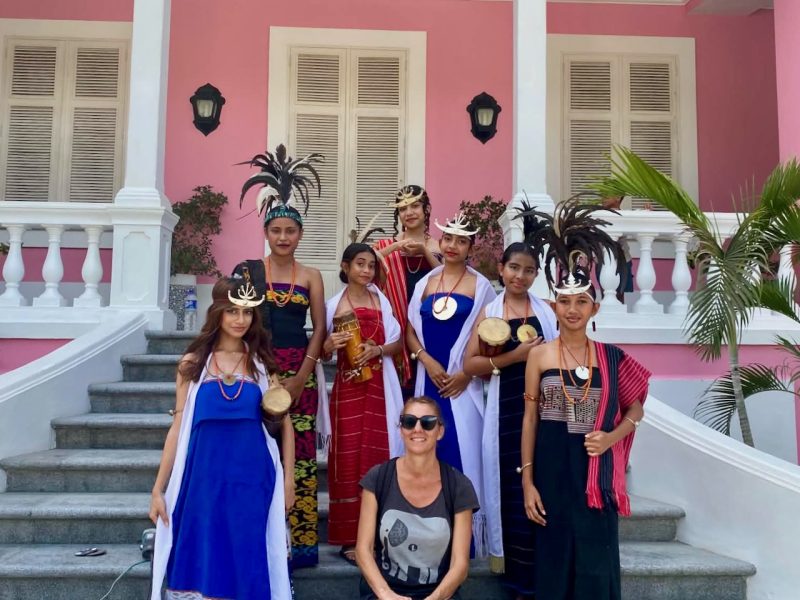
My other conclusion was that tourism indeed has huge potential. First, the Timorese people themselves are a reason to visit the country, especially for travellers seeking that unique emotional connection when travelling. Everyone, including tourists, is called “Mana” (sister) or “Maun” (brother), and it does feel like you are part of a big family. The Timorese are incredibly friendly, and this is probably one of the few places in the world where you get physically tired of waving and smiling so much.
Beyond the unconditional welcome, Timor-Leste’s culture is a fascinating blend of Portuguese, Indonesian and Melanesian influences. This unique cultural identity is tangible everywhere, from the architecture and food to the languages.

Yet, Timor-Leste has preserved many of its ancestral traditions. Visitors can experience this living culture by attending harvest festivals, being invited to visit sacred houses, or joining local celebrations honouring ancestors. These moments are not staged, and visitors are often welcomed to attend. Community-based tourism is therefore one of the most promising aspects of tourism in Timor-Leste.
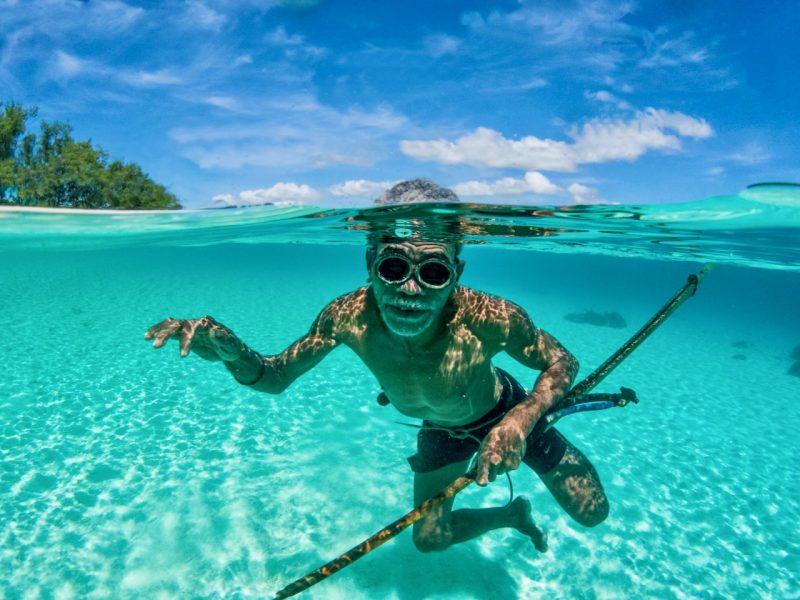
As an island nation, Timor-Leste’s ocean (Tasi in the local language Tetun) is a major tourism asset. Located within the Coral Triangle, home to the world’s richest marine biodiversity, it offers spectacular coral reefs and underwater life. Snorkelling in Timor-Leste feels like watching Finding Nemo on steroids: insane colours, fascinating creatures and barely anyone around.
The whale-watching experience is also next level. Between October and December, migrating whales travel through the Timor Sea along a route called the “Whale Highway” and can even be spotted from the capital, Dili. However, this also raises an important debate about balancing tourism opportunities with whale conservation.
Timor-Leste is also blessed with spectacular mountains, the highest being Mt Ramelau, reaching nearly 3,000 metres. And the blessing doesn’t stop there! In a country where the vast majority of the population is Catholic, mountain peaks are often places of pilgrimage. Hiking to the summit is therefore not just about spectacular views, but also about sharing the emotion of Timorese people praying and singing beneath the watchful eye of a giant statue of Christ or the Virgin Mary. This fusion of nature and spirituality has great tourism potential.
The potential is undoubtedly there, but significant challenges remain, particularly around infrastructure and training for tourism operators.
Some roads offer an unforgettable experience! Another major barrier is the limited digital presence of Timor-Leste. Online booking and digital marketing are underdeveloped, with most communication happening through WhatsApp and Facebook pages, and very few operators having their own websites. Yet, as one travel writer pointed out, part of Timor-Leste’s charm is that it feels like travelling back to the 1990s, with limited internet access and always clinging to a completely damaged Lonely Planet guidebook.
As tourism is still emerging, my work focused on helping tourism operators better understand international tourists’ expectations, and why health and safety, storytelling and customer service are essential to creating memorable experiences and building a strong tourism industry.
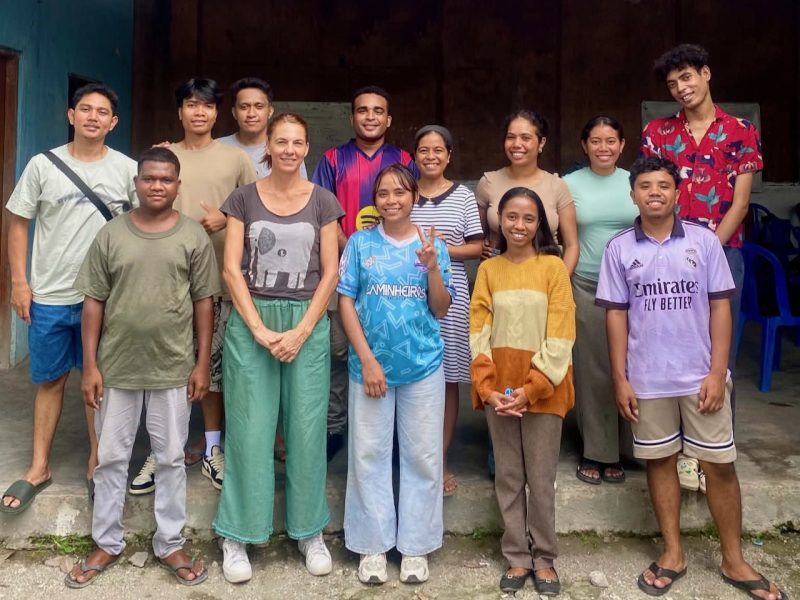
I also worked with the Secretary of State for Forestry and the Department of Tourism to develop the first tourism framework for Nino Konis Santana National Park, recently recognised by UNESCO as a Biosphere Reserve.
It was a fascinating challenge, involving exploration of the bush, hidden caves, local communities and beautiful reefs alongside a team of forest rangers. Once again, one of the main challenges was the lack of visibility of tourism attractions, with no signage, no website, and a significant need to develop proper walking trails and train rangers to become guides. The big lesson for me was to realise the importance of making a park accessible, helping local communities and giving visitors the information and support they need to explore safely and respectfully.
I also gained a much better understanding of how expectations around ecotourism can vary significantly depending on the local context. For example, in Timor-Leste, water is not safe to drink and many places are isolated, visitors inevitably rely on plastic water bottles, while the country still desperately needs an effective recycling system.
Yet, traditional practices offer a valuable foundation for sustainability. Tara Bandu, a customary practice, establishes community rules to protect forests and marine resources, encouraging people to live in harmony with nature and manage it collectively. This connection with the environment is also reflected in initiatives led by passionate Timorese, from beach clean-ups and turtle releases to coral restoration projects.
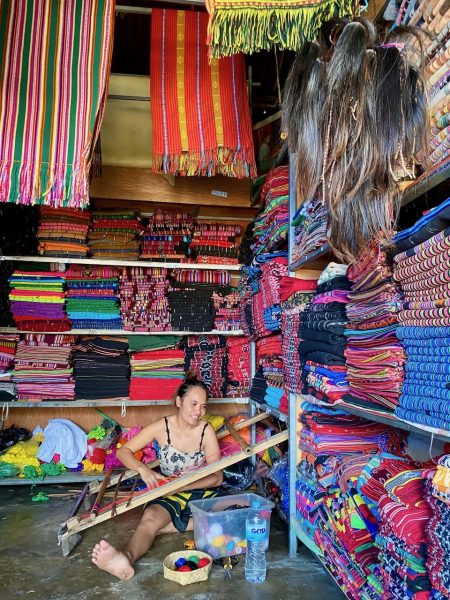
Another priority for Timor-Leste is to reshape the narrative, particularly the often-unfair perception that the country is unsafe. During my assignment, we managed to welcome major media outlets, including NHK TV, as well as the travel editor of Tagesspiegel, who wrote the first-ever travel feature on Timor-Leste in German.
This was a new experience for many tourism operators, but they quickly understood the value of inviting international media and travel ambassadors to share what Timor-Leste has to offer. Part of this narrative is also about defining Timor-Leste’s ideal traveller. Although close to Bali, Timor-Leste is not Bali, and it should not try to be. Pretending to be the “next Bali” would be misleading.
From my experience, Timor-Leste’s greatest strength lies in being an undiscovered destination. In a world of overtourism and social-media-driven crowds, this is a huge point of difference. The invitation to explore should be sent to intrepid travellers who understand luxury as the privilege of discovering somewhere new, experiencing authenticity and connecting with local people.
The storytelling component of tourism is fascinating but also complex. It is not easy for Timorese people to talk about their history, as everyone has been affected in some way. It is a delicate exercise, but important to get right so tourists understand where this young, vibrant country is coming from.
Other narratives, like the one around crocodiles, are also complicated. Timor-Leste has crocodiles, but for tourists it can be difficult to know where they might encounter them and, more importantly, where it is safe to swim. This is linked to the affectionate relationship Timorese traditionally have with crocodiles, which are considered family members and affectionately called Avo Lafaek, meaning “grandfather”. It is a beautiful story, but one that deserves to be shared more, helping visitors understand both the cultural significance of crocodiles.
As much as I went there to support tourism, I left with some valuable lessons learned. One of them is the incredible resilience of the Timorese people. Despite all the difficulties and challenges, you can always expect a smile.
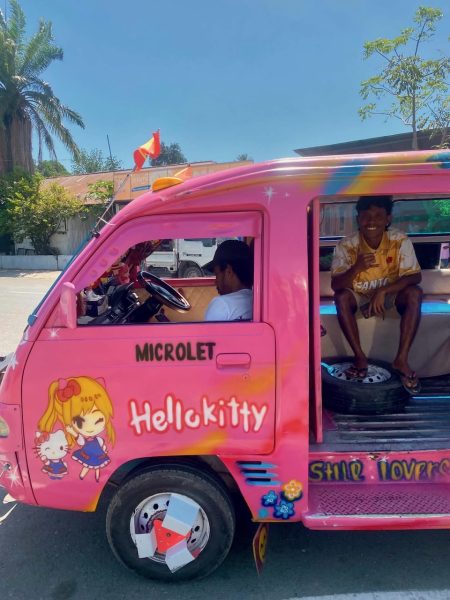
The best way to illustrate this was through my everyday experience on the Microlet (basically a mini minivan, or an oven on wheels as it was always overheated, with creative drivers and music pumping so loudly that the whole bus constantly shakes, and a few loud roosters taking up a lot of space too). Often, there wouldn’t be any room left, so people would sit on someone else’s lap with a big smile. Imagine that on the Tube in London?
I’m incredibly grateful for this experience, and I think I’m now ready to discover another place. Maybe Istanbul, after all!
Diane Clayton worked as a senior product development, partnerships and ecotourism specialist in Timor-Leste through Volunteer Service Abroad (VSA), in partnership with the Ministry of Foreign Affairs and Trade. She previously held roles at Qualmark and Tourism New Zealand.